Best African Safaris in Kenya
kenya
Welcome to Kenya – The Heart of African Safari
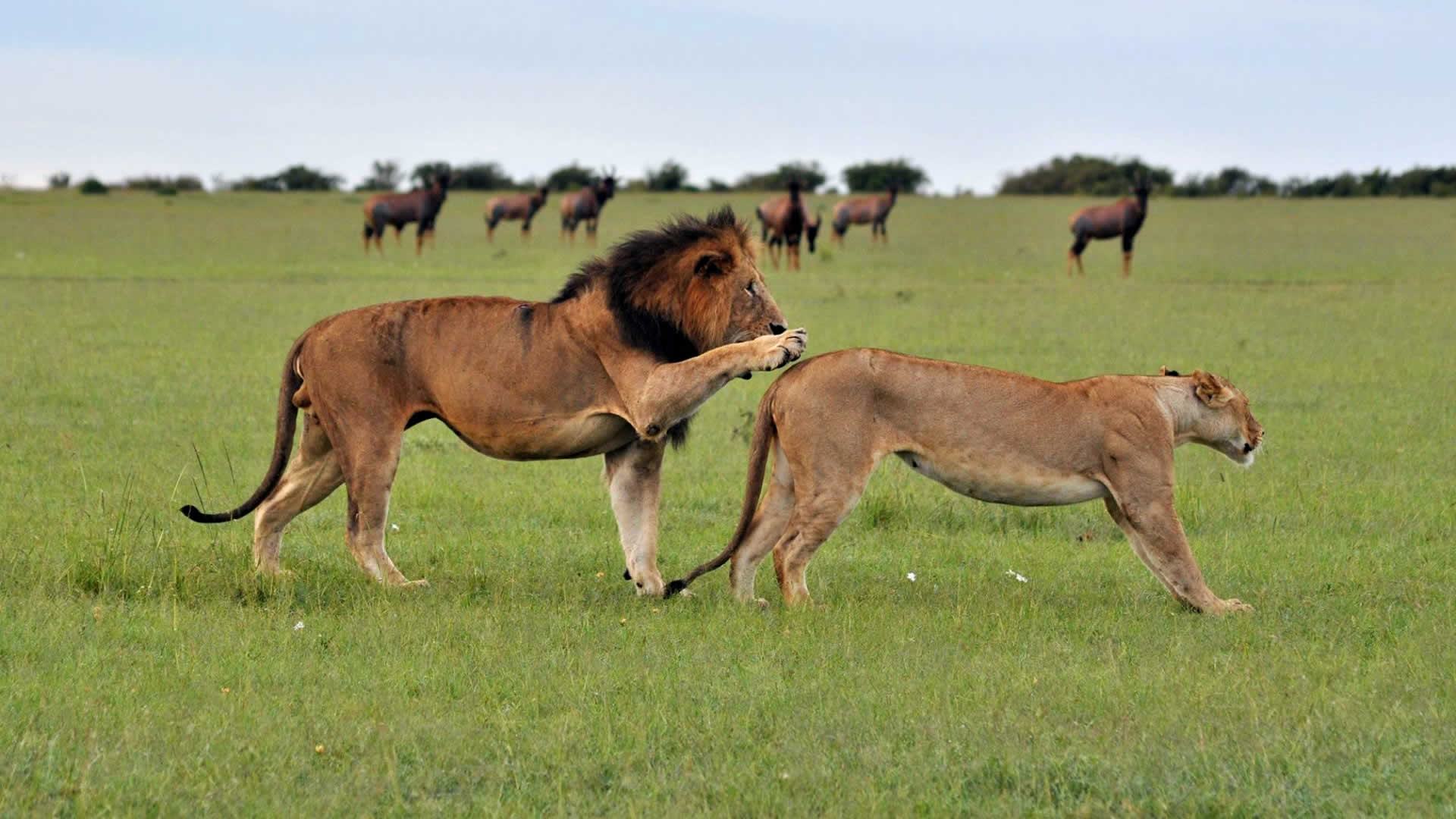
Kenya is one of Africa’s most iconic destinations, known for its rich wildlife, vibrant cultures, and dramatic landscapes. Whether you’re planning a wildlife safari in Kenya, searching for the best African safaris in Kenya, or looking for tailored Kenya safaris tours, this country promises unforgettable adventure from the very start.
Best Time to Visit – Ideal for Kenya Safaris Tours
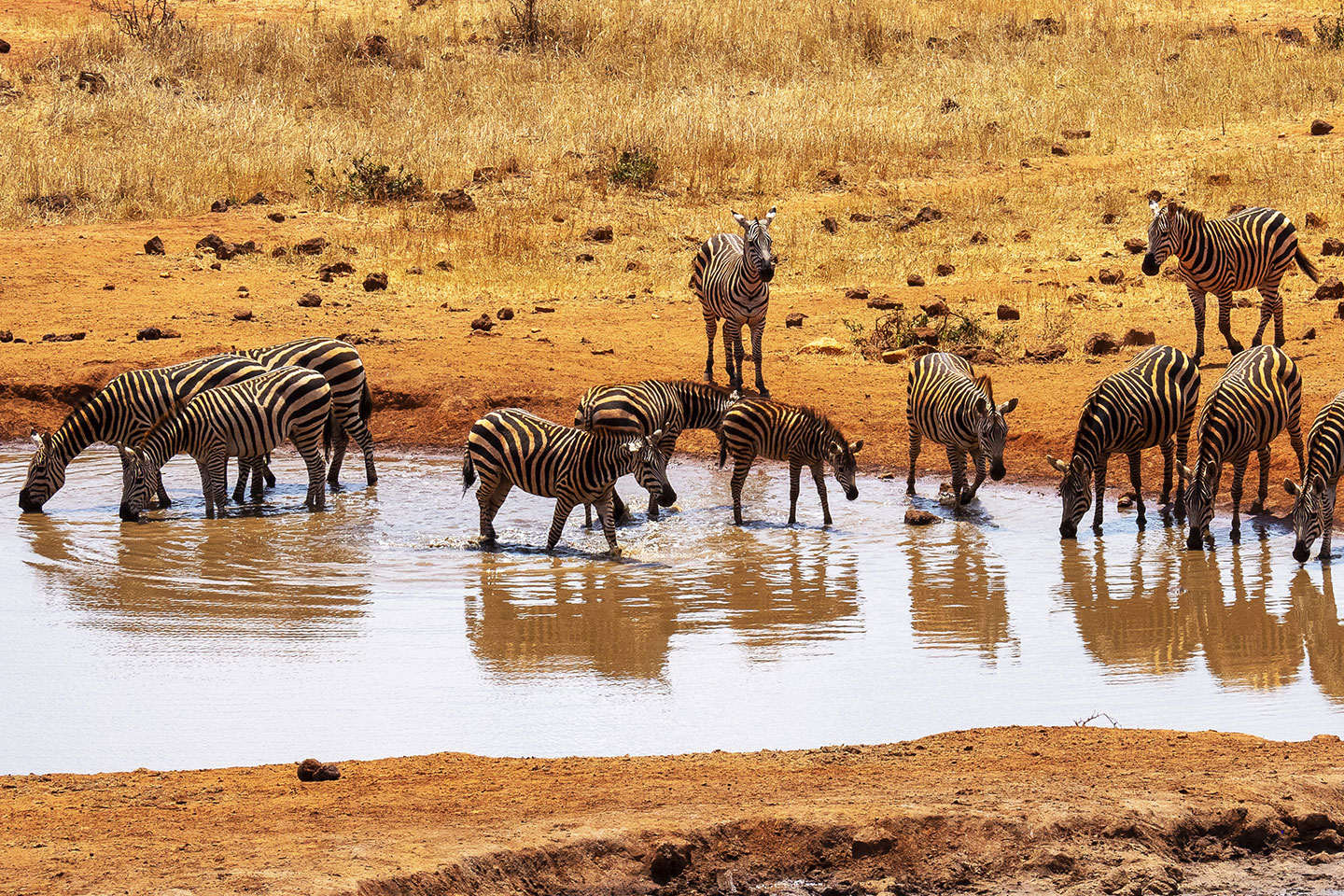
For unforgettable Kenya safaris tours, the dry seasons—June to October and January to February—offer the best visibility and wildlife action. This is when animals gather around water sources, making game drives incredibly rewarding. Beach lovers can enjoy sun-soaked days almost any time of the year, especially from December to March along the coast.
Visa & Health – Before Your Safari Trips to Kenya
Most travelers will need a visa, easily applied for online before arrival. To enjoy safe and smooth safari trips to Kenya, it’s recommended to have vaccinations for yellow fever, hepatitis, and typhoid. Malaria precautions are also advisable, especially when visiting wildlife regions and national parks.
Currency & Language – Essentials for Kenya Wildlife Safari Packages
Kenya uses the Kenyan shilling (KES), and credit cards are widely accepted in major towns and lodges. English and Swahili are spoken almost everywhere, making it easy for visitors to interact with guides, locals, and during your Kenya wildlife safari packages.
Getting Around – Perfect for African Safari in Kenya Experiences
Whether you choose domestic flights, private transfers, safari vehicles, or taxis, Kenya is well-connected for travelers. Most people exploring an African Safari in Kenya combine flights with scenic road journeys, allowing them to enjoy stunning views of savannahs, mountains, and local villages along the way.
Top Attractions – From Maasai Mara to Kenya Safari Amboseli
-
Safari in Maasai Mara during the Great Migration
-
Beach escapes in Diani, Mombasa, and Watamu
-
Cultural tours in Nairobi and with local tribes
-
Trekking Mount Kenya, Africa’s second-highest peak
-
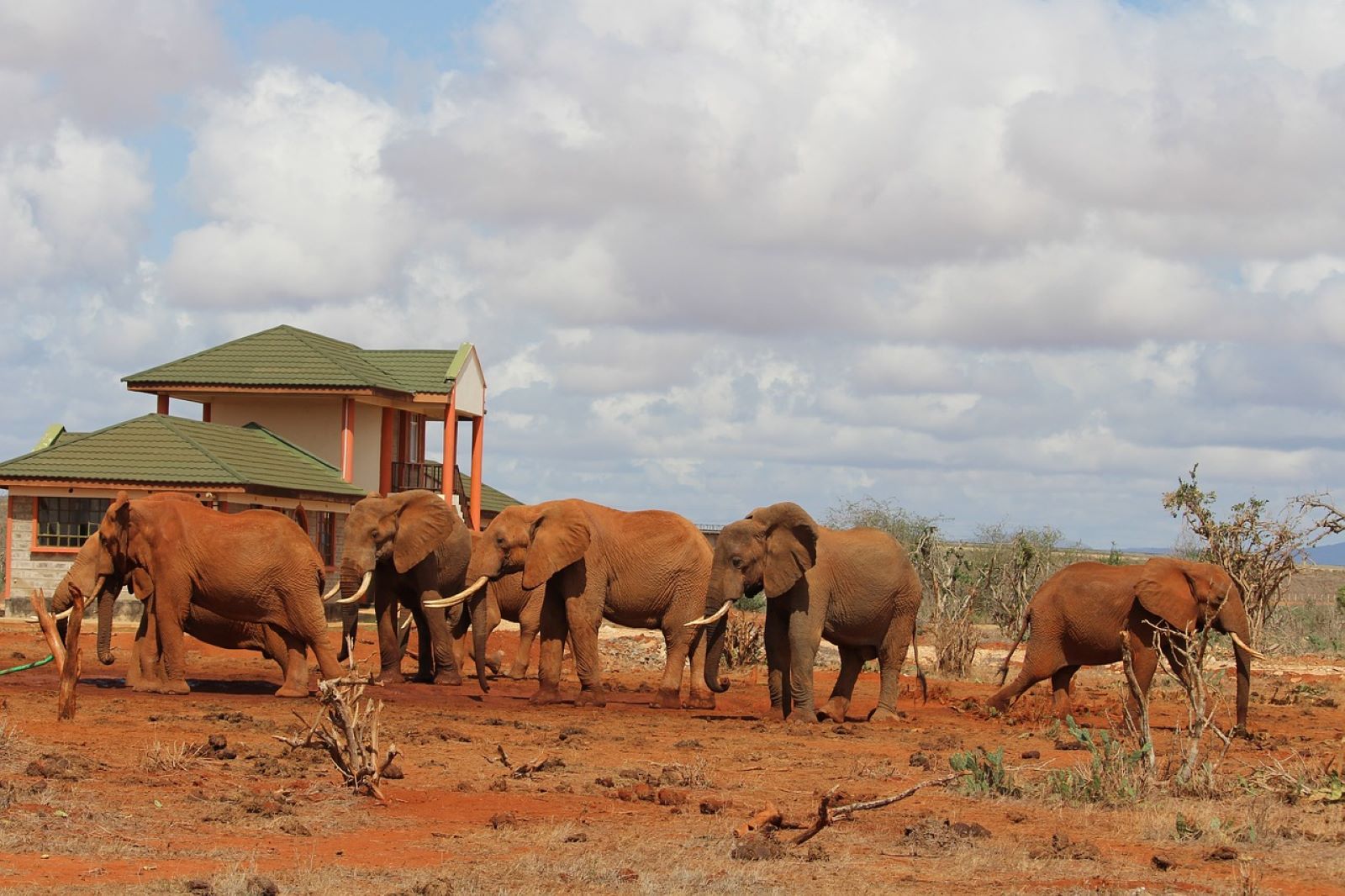
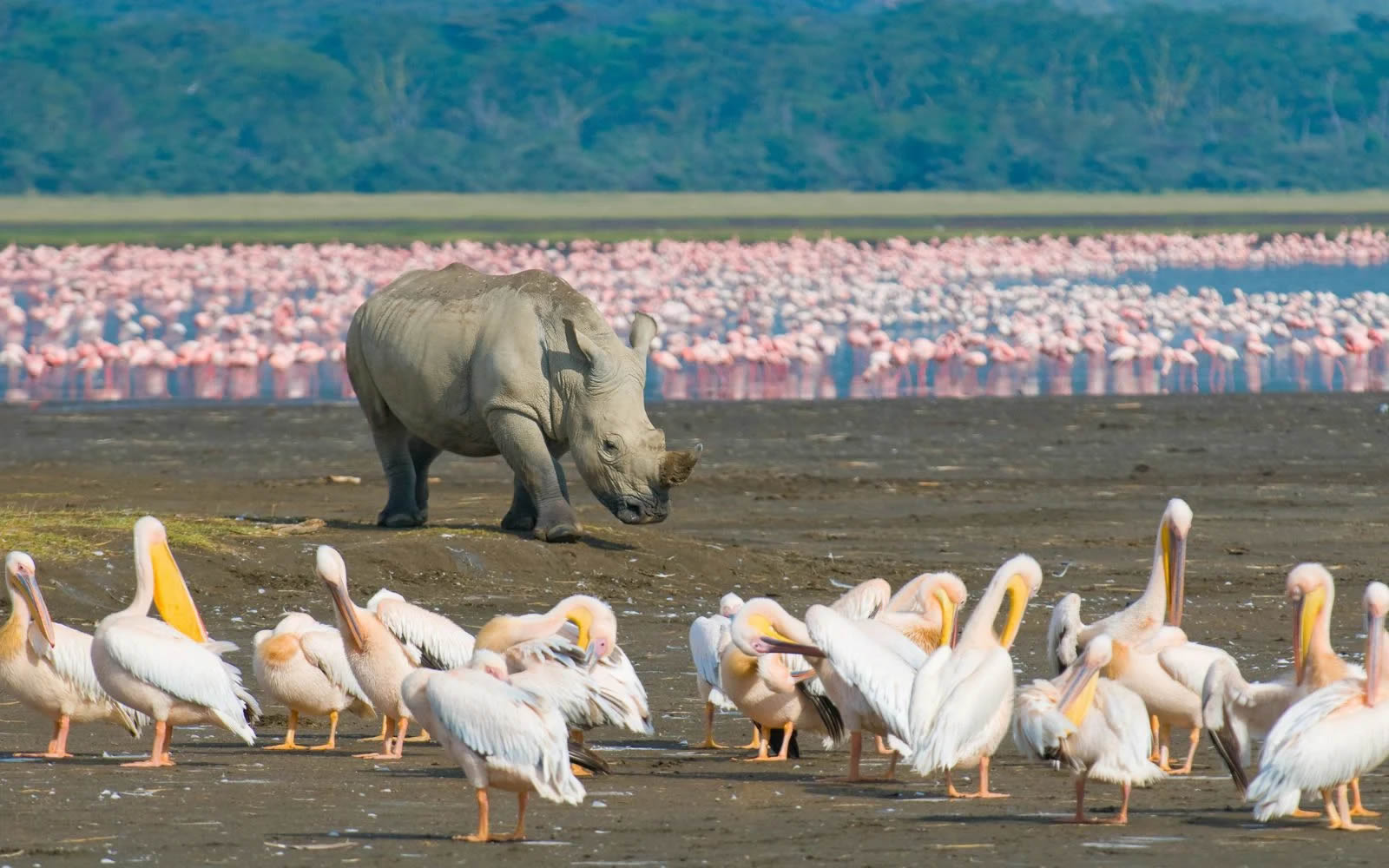
Scenic wonders at Lake Nakuru, Amboseli, and Tsavo
Food & Drink:
Enjoy dishes like nyama choma (grilled meat), ugali, and flavorful stews. Kenyan tea and coffee are also a must-try.
Safety:
Kenya is generally safe for tourists. As always, stay alert in crowded areas and follow local travel advisories.
Kenya offers the ultimate African experience—wild, warm, and welcoming. Let us help you plan a journey that’s nothing short of extraordinary.