A Complete Guide to Experiencing an Authentic African Safari in Kenya
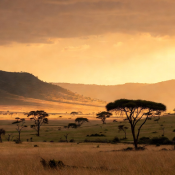
Traveling to Africa is a dream for lots of people, and Kenya is usually one of the first places they think of. This country is famous for its vast savannahs, abundant animals, friendly locals, and sceneries that seem to be from another era.
Going on an African Safari in Kenya is much more than just animal viewing; it is a matter of sensing the pulse of wild like a pro, witnessing life carry on in its natural course without disturbing and knowing the interdependency among wild animals, lands, and people.
This guide will make you aware of the qualities that make a safari really authentic, the ways in which you can plan it nicely, and the activities that you should definitely try during your visit in Kenya.
Understanding What an Authentic African Safari in Kenya Truly Means
A genuine safari is neither rushed nor crowded. It gives you the opportunity to slowly walk through the wilderness with a local expert guide who knows the animals pretty well and even knows the land nevertheless. Instead of ticking off checklists, the authenticity is derived from quiet moments – for example, watching elephants crossing the plains or listening to lions roaring at night.
Kenya is truly the perfect place for this type of experience. The country has set aside national parks, community conservancies, and varying ecosystems that are all places where animals are allowed to roam free while being a great aid to conservation efforts and local communities. A true safari respects nature and offers travelers a chance to watch wildlife without the animals being disturbed.
Best Places to Experience an African Safari in Kenya
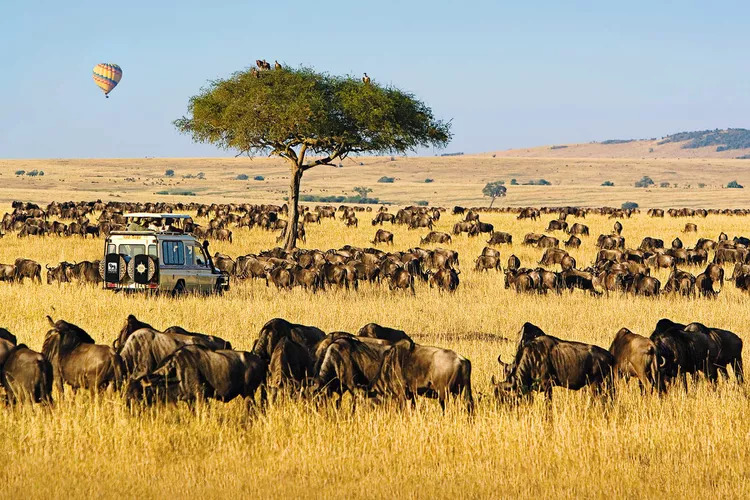
Kenya is home to a variety of wildlife areas and each one has a unique characteristic. Maasai Mara is well-known for its lion population and the Great Migration event. At the same time, Amboseli enjoys its magnificent views of elephants and Mount Kilimanjaro. Samburu is more like a wilderness and its wildlife is mainly those that can survive in the driest conditions. Tsavo, the largest of the parks, is a place where one can enjoy vast space and not having to share it with many others.
One of the best to getting a good impression of the wildlife in Kenya is to visit several parks. Each region has its unique colors, sounds, and animal movements. The transit from one to the other is a great opportunity to witness the transformation of the landscapes and to understand the different ways of living of the animals.
Wildlife You Can Expect to See on Safari
The Kenyan safari experience is not limited to the Big Five. These animals are only the top of the list—huge herds of giraffes, zebras, and almost omnipresent hippopotamuses and crocodiles plus a myriad of birds are found all over the parks.
Unpredictability is what makes wildlife viewing so spectacular. Each game drive is unique. Some days might bring to life thrilling killings, others nice and quiet grazing scenes. A key factor relaxing. The most extraordinary of all sightings usually occur when you cease your drive and quietly couple in your observations.
Choosing the Right Time for Your Safari
Kenya is a destination that can be visited all year round, but each season provides unique experiences. The dry season is perfect for observing animals that come near the water holes. The migration season attracts millions of animals and offers thrilling predation events. The wet season is characterized by green hills, little animals, and fewer tourists.
The timing of your choice relies on your preferences in terms of viewing and travel style. There are tourists who prefer to be amidst the busiest wildlife moments, while others like it calm with open space.
Safari Lodges and Camps That Add to the Experience
The location of your accommodation plays a significant role in your safari experience. Campsites and safari lodges are purposely constructed to be unnoticed in the nature. Most of them are constructed using local materials and have wildlife viewing areas which can be seen through the windows of the rooms.
Living inside or close to the parks cuts down movement time and permits morning and evening game drives. Night times are usually peaceful and the quiet is broken by the sounds of the animals instead of urban noise. This proximity to the nature makes the trip a lot more real and intimate.
Cultural Experiences That Complete the Safari
Kenya is more than a wildlife destination. The local tribes’ interactions are a major highlight of the safari. The Maasai village tours, the dancing classes, and the storytelling by the old-timers allow the tourists to get an insight into the coexistence of wild animals and human beings in the area for hundreds of years.
The interactions are performed in a respectful and educational manner, provided that they are done right. They play a role in giving locals a source of income and in the conservation of certain customs that are nearly extinct.
Preparing for a Comfortable and Responsible Safari
The safari traveler comes with a few simple guidelines such as following the guide’s instructions, wearing neutral colors, and packing light. Further, respecting the animals’ distance, no loud noises, and using the services of conservation-minded operators help to save these areas.
When the situation is that an African safari in Kenya is taking place the conservation measures and the travelers’ roles in the process turn out to be huge. Nature is kept lively for the future through small actions.
The trip across the wild areas of Kenya is primarily influenced by proper organization, good local insights, and an extensive acknowledgment of nature. The experience is enriched by every aspect ranging from selecting the appropriate park to animal behavior comprehension. It is at this point that reliable companies such as Passion for Adventures Safaris & Travel put their efforts in devising trips that link tourists to the country’s fauna, flora, and communities in a manner that is both natural and considerate.
Recent Posts
How to Plan a Wildlife Safari in Kenya (Step-by-Step Guide)
How to Choose African Safari Tour Operators with Fair Transparent Pricing