Planning the Perfect Serengeti Tanzania Safari: Things You Should Know
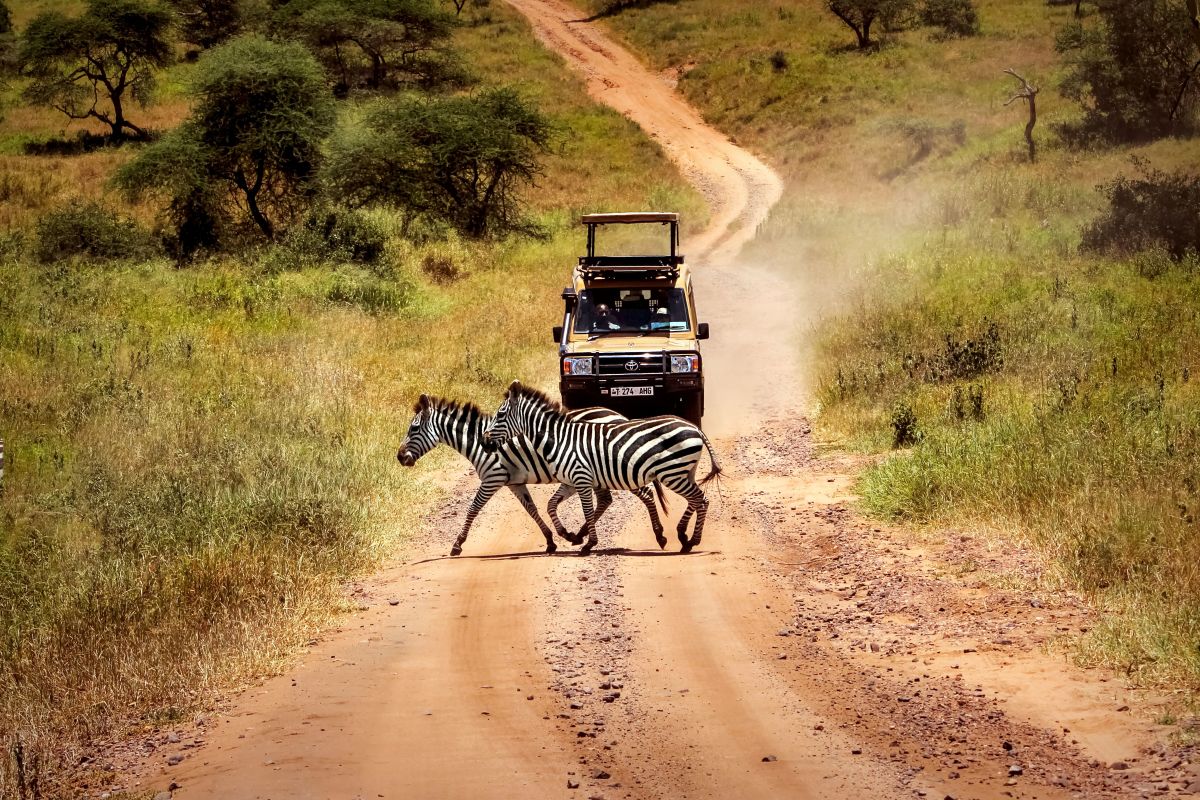
The Serengeti is one of the few places in Africa that can give visitors the feeling of raw wilderness. This is the picture that you would almost always get in the minds of the travelers when Africa’s traditional landscapes are mentioned—vast plains, sunlit in golden colors, and wildlife migrating through an ageless nature. Many tourists in this scenario start looking for the perfect Serengeti Tanzania safari, hoping to see the heart of nature unfold live.
Understanding What Makes the Serengeti So Special
The Serengeti is particularly well-known not only as a top-notch wildlife place but also as a unique ecosystem that has been historically developed by migration, predators, seasons, and survival. The synergy in the region is what makes it extraordinary. For example, to the patience of lions and cheetahs, their natural prey and society of elephants composed of hundreds and thousands of wildebeest taking turns migrating every year coexist harmoniously on the same plains.
In any case, it would be wise not to get so excited that you immediately start booking flights and hotels; knowing exactly what type of experience you want will be very beneficial. The forms of different travelers’ imaginations vary greatly: e.g., some are mainly looking for glorious river crossings, others for peaceful sunsets, or even up-close animal contacts. With proper planning you can and will enjoy the most exciting part of the Serengeti.
Choose the Right Season for Your Adventure
Timing is the Key to Everything
The Serengeti literally transforms with every season, and therefore, your trip should be planned according to what you wish to witness.
December to March – Calving Season
It is during this time that the southern Serengeti becomes very lively. A great number of wildebeests deliver their young and in turn, the predators come near the herds, thus, there is very dramatic wildlife action. The grass is low, the sight is clear, and the photography is wonderful.
June to July – Early Migration
If river crossings are on your wishlist, this period marks the beginning. Huge columns of animals start moving through the western corridor toward the north.
August to October – Famous Mara River Crossings
This is the dramatic season many travelers dream of—wildebeests leaping into the crocodile-filled river while predators wait nearby. It’s busy but unforgettable.
November – The Short Rains
The landscape becomes greener, animals spread out, and prices drop slightly. It’s one of the most peaceful times to visit.
Decide What Type of Safari Experience You Want
The Serengeti has more diversity to offer than what most people think. Prior to making reservations, determine the way you wish to experience the wilderness:
Conventional Lodge Safari
Cozy accommodations, stunning landscapes, swimming pools, and expert guides—ideal for tourists wanting nature with no loss of comfort.
Luxury Tents Camps
They provide a real jungle encounter, plus all the comforts of home—large beds, en-suite bathrooms, and dinners by candlelight. A number of camps also shift locations according to the migration season.
Mobile Camping
This is for the true adventurer. You stay right where the action moves, hearing animals at night and waking up with sunrise pouring into your tent.
Photographic Safaris
If you’re carrying heavy gear or want special angles, look for packages catered to photographers. Vehicles are designed with camera rests and open sides.
Understanding How Long to Stay
The Serengeti is vast—far bigger than most first-time visitors expect. Two days won’t do justice to its size or wildlife. A good trip usually looks like this:
- 3 nights — A quick taste of the Serengeti
- 4–5 nights — More balanced game drives and a better chance of seeing the migration
- 6+ nights — Ideal for photographers or travelers who want to explore multiple areas
Spending enough time gives you the calm, unrushed feeling that every safari should have.
Pack Smart, Travel Light
Even though you’re heading into the wild, you don’t need heavy luggage. Internal flights have strict weight limits. Bring:
- Neutral-colored clothes
- A light jacket for mornings
- Comfortable walking shoes
- A hat and sunscreen
- Binoculars
- A good camera (if photography matters to you)
One thing many travelers forget is a soft-sided duffel bag. Hard suitcases often don’t fit on small safari aircraft.
How to Make Your Safari Truly Unforgettable
Often the most remarkable ones are the very easy—dawn lion’s roar, elephants silently passing your car one by one, or a bright starry night with no city lights around.
A carefully organized Serengeti Tanzania Safari also includes selecting the guides who have intimate knowledge of the area. The best ones do know animal behavior very well, follow their movements, and put you at the right spot for perfect viewing without animal disturbance.
Final Thoughts: Your Journey Begins with the Right Planning
The Serengeti is generous to those who are willing to wait, who select the right time, and who work with knowledgeable guides that can really make it happen. No matter if you are picturing migration crossings, silent sunsets, or experiences that just make you take a different kind of breath, the Serengeti Tanzania Safari planned with care can be one of your life’s most significant travels. Passion for Adventures Safaris & Travel, your guiding partner, will be here to plan with love, skill, and real knowledge of East African nature from the very beginning to the end.
Recent Posts
Choosing the Right Kenya Safari Package: A Practical Guide for Travelers
3 Days Tsavo East and West Safari: An Ideal Short Kenya Adventure