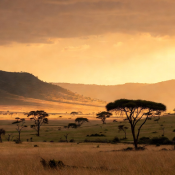
Wildlife Safari in Kenya: Important Facts Every Traveler Should Know
A wildlife safari in Kenya is often described as a once-in-a-lifetime experience, but before planning the journey, travelers need to understand what truly makes Kenya special and how a safari actually works. Knowing the basics—wildlife, seasons, parks, travel logistics, and expectations—helps visitors plan better and enjoy the experience fully.
Kenya is considered one of Africa’s most reliable safari destinations, offering rich wildlife, diverse landscapes, and well-managed conservation areas. Whether you are a first-time visitor or returning traveler, these important facts will help you prepare for a meaningful and well-informed safari experience.
Kenya Is One of Africa’s Most Wildlife-Rich Countries
One of the biggest reasons travelers choose Kenya is the sheer variety of wildlife. The country is home to more than 25,000 large mammals and over 1,000 bird species. A wildlife safari in Kenya gives travelers excellent chances to see iconic animals such as lions, elephants, giraffes, zebras, cheetahs, and rhinos in their natural habitats.
The famous Big Five—lion, leopard, elephant, buffalo, and rhino—can all be seen in Kenya, often within a single trip. Unlike some destinations where sightings depend heavily on luck, Kenya’s open landscapes and healthy wildlife populations make viewing more consistent and rewarding.
National Parks and Conservancies Offer Different Experiences
Kenya’s safari experience is spread across national parks, national reserves, and private conservancies. Each type of area offers something different for travelers.
Well-known destinations like Masai Mara National Reserve are famous for open savannahs and large concentrations of wildlife. The Mara is especially popular during the Great Migration, when millions of wildebeest and zebras cross the plains.
Other parks, such as Amboseli National Park, are known for specific highlights like large elephant herds and views of Mount Kilimanjaro. Meanwhile, private conservancies focus on conservation and community involvement, often offering fewer vehicles, guided walks, and night game drives.
Understanding the difference between these areas helps travelers choose the right wildlife safari in Kenya based on their interests.
Wildlife Viewing Changes With the Seasons
One important fact many travelers overlook is that safari experiences change with the seasons. Kenya has two main dry seasons and two rainy seasons, and each affects wildlife movement differently.
The dry months are generally better for wildlife viewing because animals gather around water sources and vegetation is thinner. This makes sightings easier and photography clearer. The wet seasons, while less predictable for sightings, offer lush landscapes, fewer tourists, and excellent birdlife.
The Great Migration usually takes place between July and October, making this a peak travel period. However, wildlife is present year-round, and a wildlife safari in Kenya can be rewarding in any season if planned correctly.
Safari Activities Go Beyond Game Drives
While game drives are the core of any safari, Kenya offers more than just sitting in a vehicle. Depending on the location, travelers may enjoy guided nature walks, cultural visits to local communities, birdwatching, and even hot air balloon safaris.
These activities allow visitors to understand the ecosystem beyond animal sightings. Learning about tracks, plants, and conservation efforts adds depth to the safari and helps travelers appreciate how the entire environment functions together.
Accommodation Styles Vary Widely
Accommodation is another key factor travelers should understand. A wildlife safari in Kenya offers options ranging from simple tented camps to luxury lodges. All serve the same purpose—placing travelers close to wildlife—but the level of comfort, privacy, and amenities varies.
Some travelers prefer rustic camps that focus on nature and simplicity, while others choose premium lodges with spacious rooms and high-end services. The choice often depends on budget, travel style, and personal expectations.
This is why many visitors explore different Kenya safari packages, which combine accommodations, game drives, and transport into one structured plan.
Safety and Professional Guiding Matter
Kenya has a long history of safari tourism, and professional guiding standards are generally high. Licensed guides are trained in wildlife behavior, safety protocols, and conservation ethics. Their knowledge plays a major role in making a safari both safe and educational.
Travelers should always follow guide instructions, especially during close wildlife encounters. Respecting animals and maintaining safe distances is essential for both visitor safety and wildlife protection.
Conservation Is Central to the Safari Experience
Another important fact is that safari tourism plays a major role in conservation. Entrance fees, conservancy stays, and guided activities help fund wildlife protection and support local communities.
Many conservancies operate on community-based models, where tourism revenue directly benefits the people living alongside wildlife. This approach helps reduce human-wildlife conflict and ensures long-term protection of natural habitats.
Choosing responsible operators and well-planned Kenya safari packages allows travelers to contribute positively while enjoying an authentic experience.
A Well-Planned Safari Makes All the Difference
A wildlife safari in Kenya is not just about visiting a destination—it’s about timing, location, expectations, and understanding how nature works. Travelers who plan carefully tend to enjoy richer sightings, smoother logistics, and deeper appreciation of the environment.
From choosing the right parks and seasons to understanding accommodation styles and conservation efforts, being informed helps travelers make the most of their safari journey.
For those seeking thoughtfully planned journeys that respect nature and deliver genuine experiences, Passion for Adventures Safaris & Travel focuses on creating safari experiences that align with Kenya’s wildlife, landscapes, and conservation values—ensuring travelers enjoy Kenya the way it was meant to be experienced.
Recent Posts
How to Plan a Wildlife Safari in Kenya (Step-by-Step Guide)
How to Choose African Safari Tour Operators with Fair Transparent Pricing