Wildlife Safari in Kenya: Practical Tips for a Safe and Responsible Journey
A wildlife safari in Kenya is more than just spotting animals from a vehicle—it’s an immersive journey into vast landscapes, living cultures, and fragile ecosystems. From the open plains of the Maasai Mara to the dusty elephant trails of Amboseli, every safari moment carries excitement as well as responsibility. Traveling thoughtfully not only keeps you safe but also helps protect the wildlife and communities that make Kenya such an extraordinary destination.
This guide focuses on practical, real-world tips that travelers often overlook, helping you enjoy your safari while respecting nature and local traditions.
Understand Wildlife Behavior Before You Arrive
One of the biggest mistakes first-time safari travelers make is underestimating how wild these animals truly are. Lions may appear relaxed, elephants calm, and giraffes gentle—but all wildlife can behave unpredictably.
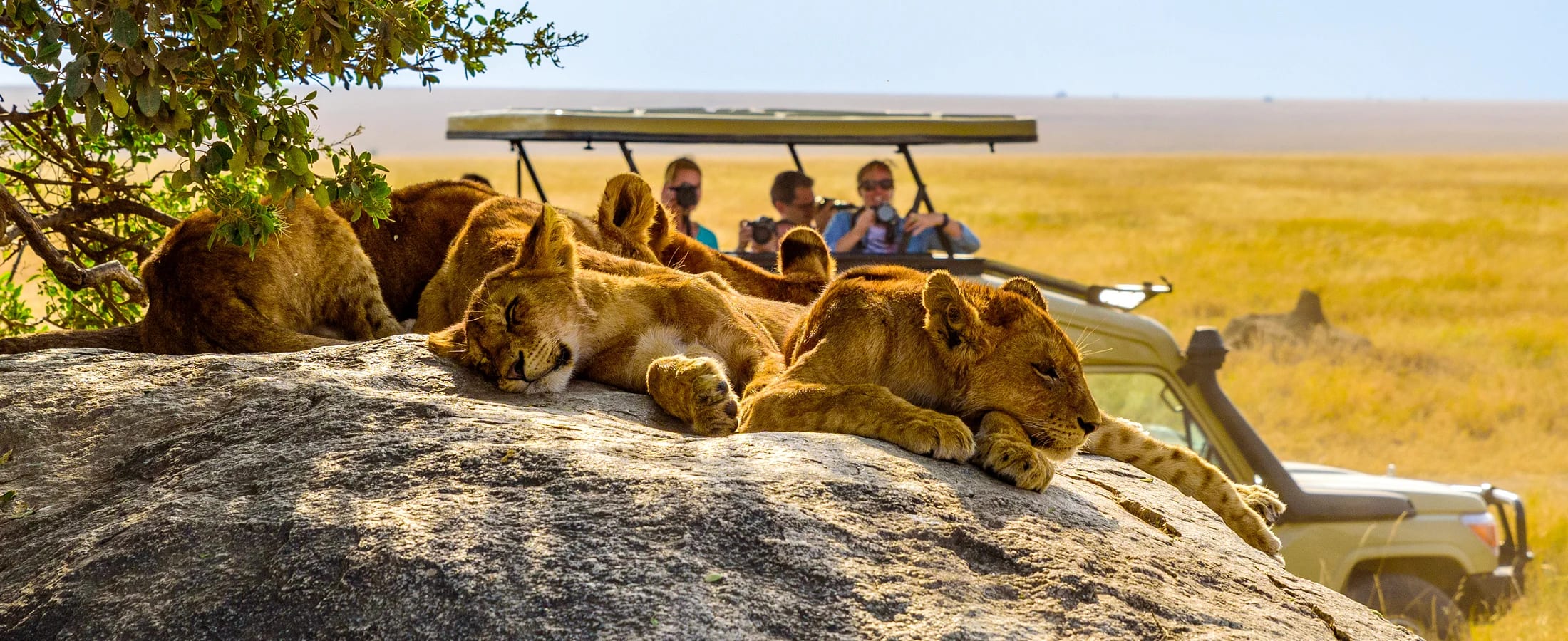
Listen carefully to your guide at all times. If you’re told to remain seated or quiet, it’s not a suggestion—it’s for your safety. Sudden movements, standing up in open vehicles, or trying to get closer for a photograph can disturb animals and create dangerous situations. Respecting animal space allows you to witness natural behavior rather than stressed reactions.
Choose the Right Season for Your Expectations
Kenya offers wildlife viewing throughout the year, but each season brings a different experience. Dry months typically offer easier sightings as animals gather around water sources, while greener months provide dramatic landscapes and fewer crowds.
If you’re hoping to witness large herds or predator activity, timing matters. For bird lovers, certain seasons reveal spectacular migrations. Understanding what each season offers helps you prepare mentally and physically for what you’ll encounter on your safari.
Pack Smart, Not Heavy
Safari packing is about balance. Neutral-colored clothing blends better with the environment and keeps animals calm. Lightweight layers work best, as mornings can be cool and afternoons surprisingly hot.
Comfortable closed shoes are essential, even if you don’t plan on walking safaris. Sunscreen, a hat, reusable water bottles, and personal medications should never be an afterthought. Binoculars may seem optional, but they often make the difference between seeing “something moving” and clearly identifying a leopard resting in a tree.
Follow Ethical Photography Practices
Photographing wildlife is thrilling, but it must be done responsibly. Avoid using flash photography, especially at night, as it can disorient animals. Don’t pressure your guide to chase sightings or crowd animals for the perfect shot.
Patience often leads to better images than aggressive pursuit. When animals feel safe, they behave naturally—and those moments are far more meaningful than forced encounters. Responsible photography ensures the long-term well-being of wildlife and preserves authentic safari experiences for future travelers.
Respect Local Communities and Traditions
Local cultures and traditional communities that were living alongside wildlife for ages, are present on many safari routes. Respecting the locals is very essential to a great extent. Always ask for their approval first before you take their photos, wear simple and decent clothes when attending a village visit, and let the locals talk about their land and culture when sharing the stories.
Purchasing local crafts or receiving services from local artisans is one of the ways of extending the support of conservation through community-based livelihoods. Responsible tourism is the direct source of the benefit to the people working in the wildlife habitat protection year after year.
Health and Safety on Safari
Basic knowledge is required for staying healthy on safari. Use only treated or bottled water, apply insect repellent at night, and adhere to your guide’s instructions about food and moving in the camps or lodges.
A wildlife safari in Kenya at its best also involves knowing the emergency procedures. Inquire with your operator about the medical preparedness, the communication systems in place, and the evacuation plans. It might seem inconvenient to know these details but being informed can result in having a worry-free safari and thus enjoying it more.
Leave No Trace Behind
Safaris happen in delicate ecosystems where even tiny interruptions may have a long-term impact. Always dispose of waste properly, do not touch flora or fauna, and follow the park regulations without fail.
Just a few measures—such as sticking to the paths allowed and keeping noise to a minimum—safeguard the environment and make animals less anxious. A responsible tourist has Kenya as it was, so the next visitors can also see the same untouched beauty.
Trust Experienced Safari Professionals
A successful wildlife safari in Kenya depends greatly on the knowledge of your guide and the ethics of your safari operator. Experienced professionals know animal behavior, park regulations, and safety protocols instinctively.
Good guides don’t rush experiences—they read the environment and adapt. When you trust their expertise, you gain deeper insight into wildlife interactions, conservation challenges, and the rhythm of the land.
A Journey That Goes Beyond Sightseeing
Ultimately, a safari is not about ticking animals off a list. It’s about understanding your place within nature and traveling with humility. When approached responsibly, a wildlife safari in Kenya becomes a meaningful exchange between visitor, wildlife, and community.
By choosing ethical practices, listening to local knowledge, and traveling with awareness, you help ensure that Kenya’s wilderness remains alive and thriving. At Passion for Adventures Safaris & Travel, we believe every journey should leave a positive footprint—one that respects nature, empowers communities, and creates memories rooted in authenticity.
Recent Posts
How to Plan a Wildlife Safari in Kenya (Step-by-Step Guide)

How to Choose African Safari Tour Operators with Fair Transparent Pricing