

Maasai Mara Safari Kenya: A Closer Look at Its Wildlife and Ecosystems
Going to the Maasai Mara is not a mere holiday, it is rather a profound experience with nature, extended land, and existing wild animals. Most of the people thinking about a maasai mara safari kenya picture lions lying in golden grass or big herds crossing the vast plains. Even if these images are correct, the Mara has still more and more to show of its inner being. It is the venue where the wildlife, earth, streams, and humans have shared their coexistence for ages and hence one of the richest ecosystems in Africa is developed.
Understanding the Maasai Mara Landscape
The resulting effect of the Maasai Mara’s location in the southwestern part of Kenya is that it constitutes part of a larger ecosystem that is interfacing with the Serengeti of Tanzania. Almost the entire area is characterized by open savannah, with grassland valleys interspersed, a few hills, and rivers with very little rocks. The different sorts of landscape are the reason why many species are able to coexist.
The grazers like zebras, wildebeest, and the likes of gazelles are dependent on grasslands for food. Rivers on the other hand provide water for hippos, crocodiles, and various species of birds. At the same time, the forested areas are hiding places for leopards, elephants and other much smaller animals. Nature is still able to survive because each piece of land performs its functions.
Big Cats of the Mara
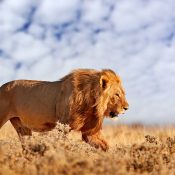
The Maasai Mara is well known for its big cats and particularly its lions. There are some very large prides of lions living throughout the reserve which are often seen either resting in the daytime or hunting around in the early morning or evening. Besides lions, Cheetahs are also very common in the area as the open grasslands are ideal for their speedy chases. Leopards are considered as shy animals but still, they are sometimes seen near rivers or trees during the day as they are hiding and are very good at being unnoticed.
These main predators rely on the constant presence of a large number of prey animals. The vast grasslands coupled with the continuous supply of food make it possible for the lions not only to survive but also to raise their cubs successfully which is why the Mara is regarded as one of the best places in Africa to see wild big cats.
The Great Migration and Grazing Animals
Every year one of the greatest wildlife phenomena on the planet takes place here. Millions of wildebeests, zebras, and antelopes make a round trip through the Mara in search of fresh pasture and water. This animal migration is neither arranged nor directed by humans. It is dependent on the rain cycle and mammals’ natural instincts.
At this time, the environment bursts with life. The top hunters are trailed by the herds, aerials are birds and rivers become very tricky to cross with their dramatic crossings. Even during the non-migration period, the reserve hosts a considerable number of ungulates, which means that large carnivores are also present as the whole ecosystem is getting supported by these large plant-eating animals.
Rivers, Water, and Life
Rivers are the bloodline of the Maasai Mara. The Mara River has the greatest fame, particularly during migrations when it is crossed. However, lesser streams and temporary watering places hold equal importance.
The water sources give support to the animals throughout the year, mostly during the dry months. Hippos are the ones who take advantage of the rivers and cool off during the day, while crocodiles are the ones waiting in silence next to the banks. Great numbers of creatures come to the rivers at dawn and dusk which makes these times the best for the tourists to see the animals.
Birds and Smaller Wildlife
Big mammals grab almost all attention but not the Maasai Mara, which is also abundant in birdlife and tiny animals. More than 450 kinds of birds, including the eagles, vultures, herons, and the very attractive kingfishers, have been observed in this area. The remains they feed on, in turn, also help in controlling insects and their cleaning process on the land.
Small mammals such as jackals, hyenas, mongoose, and warthogs are contributing factors to the ecosystem as well. Insects, reptiles, and plants might not sound very interesting, but they are the basis of a super healthy and stable ecosystem.
The Role of the Maasai People
The Maasai community has coexisted with animals for hundreds of years. They are fully aware of nature’s intricacies and the animals’ conduct. Massive herds, the mating of the animals, and the use of the land according to their beliefs all stand in favor of nature’s protection.
Most of the local people are already participating in the activities of conserving the environment, guiding, and eco-tourism. With their to learn from us, every maasai mara safari kenya will become so much more valuable where the tourists will have a chance to be enlightened on how humans and wild animals are still living together on this piece of land.
Seasonal Changes and Ecosystem Balance
The Mara experiences seasonal variations. The land is covered with green colour and animals are scattered during the rainy months. In the dry season, all the wild animals come to the rivers and water sources. These natural seasons are a form of land management that helps to conserve and rejuvenate the plants.
Carnivores keep the count of the herbivores low, the herbivores keep the grass short, and the soil gets its nutrients back through the process of decomposition. The whole system is interdependent and the Maasai Mara is a clear example of the balance of nature.
Why the Maasai Mara Remains Special
There are a number of wildlife areas across Africa, but only the Maasai Mara can boast of such an open space and so many living things. The absence of any fencing allows free movement of animals. Giant reserved places are the one where natural behaviour can be performed. Conservation measures help to keep the wild beauty for future generations.
A maasai mara safari is not only for the purpose of animal watching but rather understanding the powerful ecosystem that consists of land, water, wildlife, and people and it still thrives.
When planning significant trips to this extraordinary area, Passion for Adventures Safaris & Travel put the emphasis on responsible travel, local expertise, and true nature connections, thus enabling travelers to experience the Maasai Mara in an authentic and respectful way.
Recent Posts
Top Reasons to Choose Maasai Mara Safari Kenya for Your Adventure
Essential Tips for Planning a Memorable Wildlife Safari in Kenya
