
Step-by-Step Guide to Planning a Uganda Gorilla Trekking Safari
Planning a safari that brings you face to face with wild mountain gorillas is not something most people do on a whim. A journey into Uganda’s dense rainforests takes preparation, patience, and a clear understanding of how everything works on the ground. Uganda gorilla trekking is one of the most rewarding wildlife experiences in Africa, but the magic truly unfolds when the planning is done right. This step-by-step guide walks you through every important stage, helping you prepare with confidence and realistic expectations.
Step 1: Understand Where Gorilla Trekking Happens in Uganda
Uganda is home to two national parks where mountain gorillas live in the wild. Bwindi Impenetrable National Park is the most popular and hosts the majority of gorilla families. Its ancient rainforest terrain is thick, steep, and breathtakingly beautiful. Mgahinga Gorilla National Park, though smaller, offers a quieter trekking experience and stunning volcanic scenery.
Each park has designated trekking sectors, and the experience can vary depending on where your permit is issued. Some areas involve shorter hikes, while others demand more endurance. Knowing the difference early helps you choose the right region for your comfort level.
Step 2: Decide the Best Time to Travel
Uganda gorilla trekking is conducted all year round, but regarding seasons, some are much better than others. The dry months are usually June to September and December to February; these months provide hiking conditions that are not muddy and their weather is also very predictable. The trails are much more accessible, and photography is usually clearer.
The rainy seasons cause the areas to bloom with beautiful colors and the tourists to be minimized, but meanwhile, the trekking routes can be slippery and thus more difficult to traverse. The serene atmosphere is mainly for the people who want it to happen less and who are more flexible. Your ideal travel window should be one that perfectly balances comfort, crowd levels, and budget.
Step 3: Secure Your Gorilla Trekking Permit Early
Permits are the main factor in the whole planning process. Uganda limits the number of visitors to each gorilla family per day which is a way of taking care of the animals and at the same time preserving the experience. Once permits are gone, there will be no replacements.
It is highly recommended to book several months in advance especially in peak seasons. Permits are thus issued for an exact date and sector of the park, so this step will determine your entire itinerary. Consider it as the starting point around which everything else is constructed.
Step 4: Choose the Right Safari Style for You
Gorilla safaris do not all look the same. Different types of tourist are there to choose; some want to see Uganda’s rural areas while others prefer fly-in safaris. A short trek-only itinerary may be what you want, or a long flight taking you to gorillas first, then game drives, and then visiting chimps or enjoying local culture.
Not to forget accommodation, which is a major factor here. You could stay in a modest lodge just outside the park, or in a luxurious forest retreat with a view from the top of the world. Think about your travel style, budget, and how fast or slow you want to go, plus what is on the internet as a suggestion.
Step 5: Prepare for the Physical Side of the Trek
Gorilla trekking is no simple walk. The duration of the hikes ranges from 30 minutes to several hours, depending on the gorillas’ location that day. The path is rocky, uphill, and frequently muddy.
Even though being fit like a professional athlete is not required, basic fitness is a great help. Practicing with regular walks, taking stairs instead of using lifts, or engaging in short and easy hikes could be beneficial. Porters can be hired, and it is strongly suggested they be employed not only for the purpose of carrying luggage but also to assist in the upliftment of local communities.
Step 6: Pack Smart and Purposefully
Your choice of packing will directly influence your experience. The first thing to consider is waterproof hiking boots, long-sleeved shirts, and lightweight rain gear. Wearing gloves can be helpful when you are holding onto branches going down steep trails, while gaiters are to be worn to keep mud and insects at bay.
You might want to carry a small day pack containing water, food, sunscreen, and insect spray. Also, the cameras should be within reach, and flash photography is prohibited near the gorillas. Good Packing will provide comfort and at the same time take you completely to the moment of your encounter with the gorillas.
Step 7: Know What Happens on Trekking Day
Trekking days begin early with a briefing from park rangers. Groups are assigned based on fitness levels, and each group tracks a specific gorilla family. Rangers and trackers lead the way, sharing insights about the forest and the gorillas themselves.
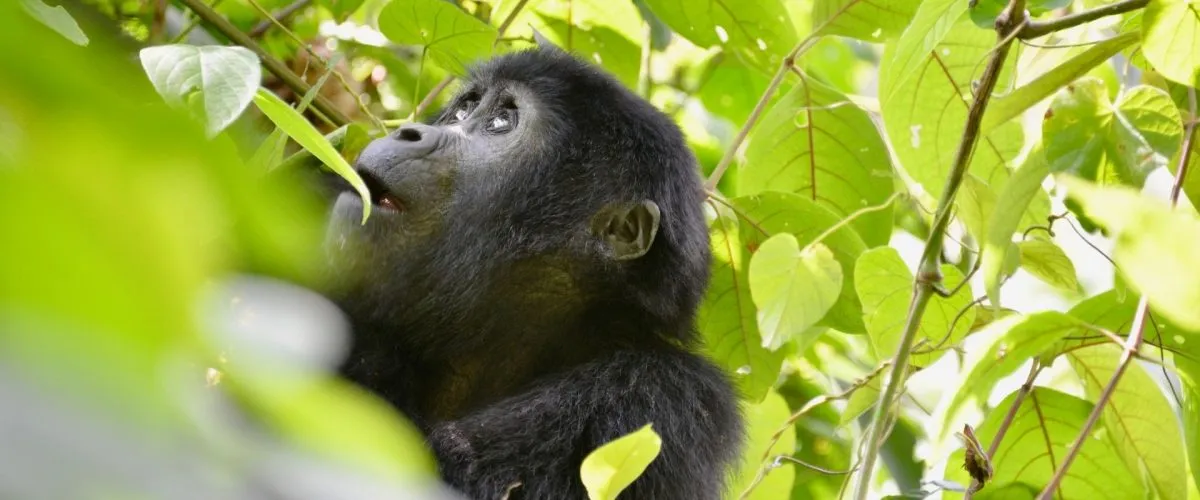
Once the gorillas are found, you spend a maximum of one hour with them. That hour often feels timeless—watching young ones play, mothers nurse their infants, and silverbacks quietly observe. This moment is the emotional heart of the journey and the reason travelers describe Uganda gorilla trekking as life-changing.
Step 8: Respect Conservation Rules and Local Communities
Strict rules exist to protect both gorillas and visitors. Maintaining distance, avoiding sudden movements, and following ranger instructions are non-negotiable. These guidelines ensure gorillas remain healthy and unhabituated to human behavior.
Beyond the park boundaries, local communities play a vital role in conservation. Supporting community projects, hiring local guides, and respecting cultural norms adds meaning to your safari and helps preserve this fragile ecosystem for future generations.
Step 9: Plan the Rest of Your Uganda Journey
Gorilla trekking usually stands out as the most exciting experience, but Uganda has plenty more to offer. Think about incorporating a safari in Queen Elizabeth National Park, a chimpanzee trek in Kibale Forest, or a relaxing stay by Lake Bunyonyi after the hike.
It is advisable to include extra days in your itinerary. Weather, road conditions, and permit schedules may affect your plans, and flexibility makes it less stressful. A trip with the right speed allows you to feel the experience instead of being already through it.
Final Thoughts
It is not about logistics only to plan a gorilla trekking safari—it is about making a journey that is personal, ethical, and very gratifying. The right park choice, the body and mind preparation, all the steps that are taken to shape the forest and its gentle giants’ image through your eyes. If Uganda trekking safari is professionally planned, it will not be only a wildlife activity but a tale that you will keep for a lifetime.
If you want a safari that is made around real experiences and not templates, then cooperation with specialists will make a great difference. Passion for Adventures Safaris & Travel knows the rhythm of Uganda, the importance of responsible tourism, and the way to turn a dream gorilla encounter into a smooth, memorable trip.
Recent Posts
Top Reasons to Choose Maasai Mara Safari Kenya for Your Adventure
Essential Tips for Planning a Memorable Wildlife Safari in Kenya
