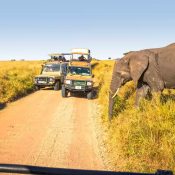
When to Plan African Safari Tours Kenya for the Best Wildlife Sightings
Choosing a destination for a safari is not the only thing that matters. The timing is also a very important factor. Kenya is a country, which by nature’s grace, has a lot of wildlife, open grasslands, forests, lakes, and world-famous national parks that are so different from one season to another. For those who want to get the nearest with the wild animals, there is no doubt timing is of great importance. African safari tours in Kenya offer different adventures every season, and learning about these seasonal changes can help the traveler get the most out of their trip.
Moving from large groups of animals taking the risk to cross the rivers to the still moments of watching the predators at sunrise, the seasons each have their own unique things to offer. The guide will reveal the best months for spotting wildlife, the moods of the weather, and touring comfort so you could make a smart plan.
Understanding Kenya’s Seasons and Wildlife Patterns
The primary seasons of Kenya significantly influence the wildlife viewing activities. These are the dry season and wet season, which do not only affect the visibility of animals but also the movement and growth of vegetation.
The dry season is typically from June to October, and it is also January to February again. Grass is cut down to a shorter height and the number of water sources declines during this period. The animals are all around the rivers and waterholes making them easy to see. The roads are also in good condition, and the game viewing is easy.
The wet season is from March to May and November to December. The rain makes the areas green and cool. The animals are less concentrated; however, the parks are stunning and tranquil. Birds’ activity rises, and baby animals are frequently observable.
African safari tours Kenya during the Dry Season
Wildlife viewing is usually best in the dry season. The clear skies and the open land allow animals easier to spot, especially very big cats-like lions and cheetahs. As the animals are relying on limited water sources, the sightings become more frequent and thus more predictable.
One of the major attractions during the period is the Great Migration at Maasai Mara which usually occurs between July and September. The thousands of wildebeests, zebras, and the like cross the Mara River creating the most breathtaking scenes that lure tourists from every corner of the world.
Daytime temperatures are high, while nights can be cold. This is good for game drives, has the coolest time in the morning and late afternoon when most animals are active.
Best Months for Big Game Viewing in Kenya
Kenya has its own wildlife advantages for every single month. The months of January and February are dry and very suitable for photography. The grass is kept short and the animals are easier to observe. Besides, it is a season of seeing the young animals especially in parks like Amboseli and Samburu.
Wildlife spotting is at its height in the months of June through August. The animals are very active, and the visibility of the predators has increased thus making this period very attractive to the travelers looking for the big safari scenes with large herds and action-filled moments.
The months of September and October still present great sightings but for less crowded compared to the peak months. The weather continues to be very nice and the parks less noisy.
African safari tours Kenya in the Green Season
The Green Season, which is a season of heavy rains, has often been ignored but it has its own kind of charm. Long rains in March to May and short rains in November are the main features of the season. The whole area gets a fresh and green look, so the parks are very attractive.
Although the tall grass may make spotting the animals difficult, this period is perfect for those who love quiet safaris plus the beautiful landscapes. The time of many births among animals, thus, chances of seeing wildlife babies.
Bird watchers, in particular, wait for this season as colorful and noisy parks are their main attraction due to new migratory birds coming in. Very often the prices of accommodation are lower than usual and thus the period is considered a good option for budget travelers.
How Weather Affects Safari Experience
Weather plays an important role in safari planning. Dry weather means dust but better visibility. Wet weather brings mud but also life and color. Knowing what kind of experience you want helps decide the right time.
In case your main interest is in wildlife sightings and photography, then the dry months are the best. In case you love nature, the wet season has fewer tourists and green views which are very rewarding. The wild animals in Kenya are present throughout the year but visibility of them depends on the weather.
Choosing the Right Park at the Right Time
Different parks perform better at different times. Maasai Mara is best during migration months. Amboseli offers clear views of elephants year-round, especially during dry seasons when Mount Kilimanjaro is visible.
Tsavo National Park is excellent in dry months as animals gather near water. Lake Nakuru shines during wet periods when flamingos return. Planning parks according to season improves the overall safari experience.
Travel Tips for Seasonal Safari Planning
Booking early is important during peak season as lodges fill fast. Packing light layers helps manage temperature changes. During wet seasons, waterproof clothing and flexible schedules are useful.
Working with experienced safari planners ensures the itinerary matches the season, park conditions, and wildlife movements.
Creating Meaningful Safari Memories
A safari at the right time gives more than just the chance to see animals; it also offers silence, surprises, and stronger bonds with nature. A skilled choice of the season lets the tourists see the beauty of Kenya in the forms of either the dramatic migrations or the tranquil green areas.
Through careful consideration and the use of native insight, Passion for Adventures Safaris & Travel assists tourists in witnessing Kenya’s fauna in a manner that feels organic, intimate, and memorable.
Recent Posts

A Complete Guide to Experiencing an Authentic African Safari in Kenya

Planning a Memorable 2 Days Tsavo East Safari Kenya for Nature Lovers